I Tested Every Leading AI Video Model on Lip Sync for AI UGC Ads (2026)
Ori Silver
·
Co-founder, Maxfusion AI
·
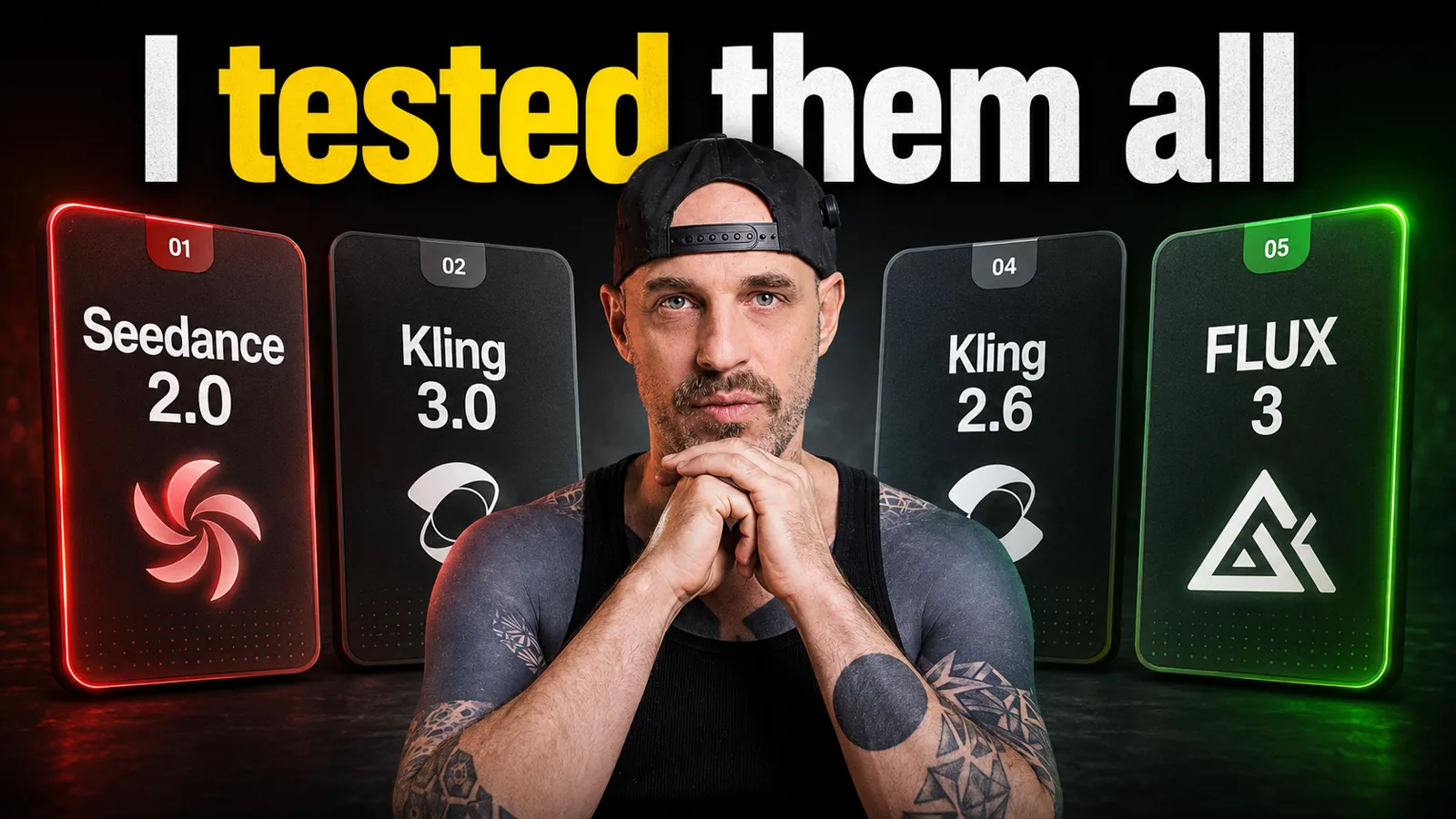
I tested every model that matters for realistic AI UGC ads on one thing: lip sync. This article covers the results. Every leading generation model, every audio-driven avatar model, and every lip sync fix model you can run when the sync breaks. Which ones hold, which ones fall apart, and what to do about each failure.
Here is why this matters. In realistic AI UGC, lip sync is the part viewers check first. A person talks into a camera, and the viewer’s brain runs a match between mouth and sound. When the match holds, the ad reads as a real person. When it slips, even for half a second, the ad reads as AI, trust drops, and the scroll continues. Everything else in the creative can be perfect. If the mouth is wrong, the ad is dead.
I’m Ori Silver. I run Maxfusion AI, a platform where hundreds of creative agencies and brands produce thousands of AI ads every month. That gives me something most model reviews don’t have: visibility into what actually runs. Not demo clips. Live ads with real media budget behind them, at volume, across verticals. I see which models the serious teams pick, where each one breaks, and what they run to repair it. That production data is what this comparison is built on.
What this comparison covers, and what it leaves out
One boundary before we start.
This article compares raw models. Generation models you prompt directly, audio-driven models you feed a portrait and a voice track, and lip sync models you run on finished footage. These are the building blocks of real AI UGC pipelines.
It does not compare closed avatar platforms like HeyGen, Synthesia, or Hedra. Those are end-to-end products where you rent a templated presenter inside someone else’s interface. They have their place in corporate training and sales outreach. They are not what performance teams run realistic AI UGC ads on, and the live ad accounts I see confirm it. Comparing them against raw models would mix two different product categories and help nobody.
So the field is: the models people actually build converting ads with.
How lip sync breaks, and the one rule that decides the fix
AI lip sync fails in three distinct ways. Naming them now will make every model section below easier to follow.
Word corruption. The model invents or mangles words. The mouth syncs perfectly to what is being said, but what is being said is wrong. The sync is technically correct and completely useless.
Sync drift. The words are right, the mouth starts right, and then audio and lips slowly separate over the clip. Usually past a specific second mark, and each model has its own.
Mouth realism failure. Timing is fine. The mouth itself doesn’t look human. Wrong shapes, rubbery motion, teeth that swim.
Each failure has a repair path, and choosing the path comes down to one rule I’ll repeat through this article:
Cheap model, regenerate. Expensive model, repair. When a low-cost model breaks sync, rerolling the generation is usually faster and cheaper than fixing it. When a premium model breaks sync, you protect the spend: keep the footage, produce clean audio, and run a dedicated lip sync model on top. The fix layer at the end of this article exists for the second case.
Every model below is judged on four things: sync accuracy, drift over duration, mouth realism, and relative cost. Cost appears only when it hurts. If a model is expensive per second, that goes in its weaknesses. If it’s affordable, I say nothing, because a low price tells you nothing about whether the ad converts.
AI video generation models compared on lip sync
These are the models that generate the full talking video from a prompt, ordered by how the serious ad accounts actually use them. The top three carry most of the realistic AI UGC volume running today: Seedance 2.0, Kling 3.0, and Gemini Omni Flash.
Seedance 2.0
The most used model for realistic AI UGC ads right now, and for good reason.
Specs that matter for ads. ByteDance’s flagship. Native audio generation built into the video pass. Clips from 4 to 15 seconds at up to 1080p, in 9:16, 1:1, and 16:9. The reference system is the deepest on the market: up to 9 reference images, 3 reference videos, and 3 audio clips in a single generation. That reference depth is what makes it the identity-consistency model. Same actor, same product, same room, across an entire batch of ads.
Weaknesses. The failure mode is word corruption. Seedance 2.0 mangles actual words. The lips sync correctly, but to the wrong sounds. Your script says one thing, the actor’s mouth commits fully to something else. You cannot prompt your way out of it once it happens, and you cannot fix it with the same generation. It also sits in the expensive tier per second, which stings when a 12-second take lands with two corrupted words at second 9.
Strengths. Extremely realistic. The skin, the micro-movements, the way the actor holds a product. At its best, output is indistinguishable from filmed UGC, which is the entire assignment.
The fix. This is the textbook expensive-model case: repair, don’t regenerate. Generate clean audio of the correct script, then run the footage through a lip sync model from the fix layer below. The visuals were never the problem.
Kling 3.0 Pro
The second pillar of AI UGC production, and the second most used model after Seedance 2.0.
Specs that matter for ads. Kuaishou’s flagship. Clips from 3 to 15 seconds, start-frame and end-frame control, multi-shot structure with per-shot prompting. There is also Kling 3.0 Pro Turbo, a faster and cheaper tier of the same generation. Teams reach for Turbo when they want to cut cost per iteration; expect a quality step down, not a different model.
Weaknesses. Sync drift with a timestamp. The words come out right and the mouth expresses them accurately, but past second 8 the audio and the lips lose each other. Not a subtle slip. The sync falls apart completely, on a clip that was clean seconds earlier. Every team running Kling 3.0 for talking segments learns the second-8 wall the hard way.
Strengths. Extremely realistic, right up there with Seedance 2.0, and mid-range on cost. For talking clips that stay at 8 seconds or under, it delivers premium-looking UGC without premium spend.
The fix. Two options. Keep talking segments under 8 seconds and cut around the wall. Or generate the full length, produce clean audio, and re-sync through the fix layer. Since the visuals stay strong for the whole clip, repairing is worth it on longer takes.
Gemini Omni Flash
Google’s entry, and the third of the big three.
Specs that matter for ads. The first model in the Gemini Omni family, announced at I/O 2026. Clips up to 10 seconds at 720p, with audio generated natively in the same pass. It accepts text, images, and existing video as input, and it supports conversational editing: you refine a clip through follow-up instructions instead of regenerating from scratch. One important constraint: you cannot feed it a separate audio track. The model produces the voice; you don’t supply one.
Weaknesses. Around 15% of generations stutter. The model trips on a word, repeats a syllable, or hitches mid-sentence, and the stutter carries straight into the lip sync, because the lips faithfully follow the broken audio. And since you can’t hand it your own audio track, there is no way to prevent it at the input.
Strengths. When it lands, which is most of the time, the words and the lip sync are amazing. Highly realistic delivery, natural rhythm, mouths that read as human. Among the big three it’s the one I’d point to for pure sync quality on a clean take.
The fix. This is the textbook cheap-model case. Omni Flash costs meaningfully less per second than the premium tier, so when a take stutters, you regenerate. Rerolling a 10-second clip is faster and cheaper than the audio-plus-repair route. Reserve the fix layer for the rare take where everything else is perfect and only the sync slipped.
Kling 2.6
The previous Kling generation, still in real rotation.
Specs that matter for ads. Clips of 5 or 10 seconds, start-frame control, 9:16, 1:1, and 16:9. Friendlier on cost than Kling 3.0.
Weaknesses. Word-level sync failure. It doesn’t drift the way 3.0 does; instead, specific words simply miss. The clip runs clean, then one word lands with the wrong mouth shape, then it’s clean again. Enough of those and the take is unusable.
Strengths. More stable than Kling 3.0 across the full clip length, and reliably realistic. Teams keep it around as the steady mid-tier option: fewer catastrophic failures, more small ones.
The fix. Judgment call by count. One or two missed words on an otherwise great take: repair through the fix layer. More than that: regenerate.
Sora 2 Pro
The best lip sync of any generation model, with an expiration date.
Specs that matter for ads. OpenAI’s premium tier. Clips of 4 to 20 seconds at up to 1080p, native synchronized audio, single reference image input.
Weaknesses. Two, and both are terminal. First, it’s the most expensive model in this entire comparison per second, by a wide margin. Second, it’s being sunset: OpenAI already shut down the consumer app in April 2026, and the API shuts down on September 24, 2026. Whatever you build on it, you’re rebuilding within months.
Strengths. The lip sync almost never breaks. Not on long words, not on fast delivery, not deep into the clip. As a pure lip sync engine it’s the standard the rest of the field gets measured against, and its scheduled death is a real loss for AI UGC production.
The fix. Rarely needed, which was always the point. The actual fix is strategic: migrate your pipeline before September, most likely to Seedance 2.0 plus the fix layer.
Veo 3.1
Google’s previous-generation workhorse, aging fast.
Specs that matter for ads. Clips of 4 to 8 seconds at up to 1080p, start and end frame control, up to 3 reference images, native audio.
Weaknesses. Mouth realism failure. The sync timing is acceptable; the lips themselves are not. In many generations the mouth region simply doesn’t look human. Rubbery motion, wrong shapes on plosives, an overall texture that flags AI instantly, which defeats the purpose of realistic UGC. Add the 8-second ceiling, the fact that this is an older model losing ground each month, and a price per second in the expensive tier, and it becomes hard to justify for talking content.
Strengths. Strong product-focused framing and reliable motion for non-talking shots. As B-roll behind a voiceover, it still earns its slot.
The fix. There isn’t a good one for the mouth problem. A lip sync model can retime lips; it cannot make Veo’s mouth texture look human. Use it where nobody talks on camera.
Grok Imagine
The accessible one, and I’ll be straight about who it’s for.
Specs that matter for ads. xAI’s video model. Image-to-video and text-to-video with native audio, lip-synced dialogue, clips up to 15 seconds at 480p or 720p, video extension support.
Weaknesses. The lip sync is pretty bad. Serious teams working with agencies don’t run it for talking content, and I don’t see it in the high-spend accounts. Its real user base is dropshippers and solo operators, because it’s cheap and easy to access, and for that audience a rough mouth on a fast-turnaround ad is an acceptable trade.
Strengths. Genuinely impressive realism and cinematic quality for the visuals themselves. Composition, lighting, camera behavior. For non-talking product shots and cinematic B-roll on a budget, it punches above its tier.
The fix. For talking content, the fix is a different model. If you must use Grok footage with speech, treat it as silent footage and drive the mouth entirely through the fix layer.
Seedance 1.5
The budget base layer.
Specs that matter for ads. The previous Seedance generation. Clips of 4 to 12 seconds, start and end frame control, multi-shot capable.
Weaknesses. Terrible prompt adherence. It routinely ignores parts of the instruction, and it struggles with certain languages outright. On its own, its talking output isn’t shippable.
Strengths. It’s affordable enough to use as raw material. The one workflow where it earns a place: generate the visual take cheaply, accept that the native sync is unusable, and plan the lip sync fix from the start. As a base layer under Sync 2 Pro or Sync 3, it produces shippable ads at a fraction of premium cost.
The fix. Always. Never ship native Seedance 1.5 sync. The fix layer is part of the pipeline by design, not a rescue.
FLUX 3
The new entrant, added with a caveat: it launched yesterday.
Specs that matter for ads. Black Forest Labs released FLUX 3 on July 23, 2026. It’s their first video model, and it’s multimodal in the same spirit as Seedance 2.0: one architecture trained jointly on images, video, and audio, generating clips up to 20 seconds with native synchronized sound. Text-to-video, image-to-video, video-to-video, and keyframe transitions. Currently early access only.
What we know so far. BFL’s own preliminary tests show it beating several established models on viewer preference, but those are self-reported numbers on a pre-release checkpoint, so hold them loosely. Everything visible points cinematic. The 20-second native-audio ceiling is the longest in this comparison, and Martin Scorsese is listed as an advisor, which tells you where they’re aiming. What nobody knows yet is how it performs on realistic AI UGC: talking humans, product in hand, phone-camera energy. No agency has run real ad volume through it. I’ll update this section when the production data exists. Until then it’s the model to watch, not the model to build on.
Audio-driven avatar models for AI UGC
The second category works differently. You bring a portrait image and a finished voice track, and the model animates the person speaking your audio. No script generation, no voice synthesis inside the model. This matters for lip sync because the audio is fixed and correct by definition. The only question is how well the mouth follows it.
RIZZ
Specs that matter for ads. Maxfusion AI’s audio-driven model. Portrait in, audio in, talking video out, with duration following the audio. It runs in two length tiers of the same model: the standard tier covers clips up to about a minute, and the long-form tier extends the same engine to roughly 5 minutes for longer formats.
Weaknesses. Vowel-dependent sync issues. On certain vowel sounds, depending on the speech, the mouth shape misses. It’s speech-specific: one script runs perfectly, another with different phonetics shows visible slips.
Strengths. The most realistic audio-driven model on the market right now. Face motion, head behavior, and overall presence read as a filmed person rather than an animated portrait. And because the audio is already correct, its one weakness is the easiest kind to repair: the fix layer handles vowel slips cleanly, since it only needs to adjust mouth shapes against a known-good track.
OmniHuman 1.5
Specs that matter for ads. ByteDance’s audio-driven model. Portrait plus audio up to about 30 seconds, with full-body animation rather than face-only.
Weaknesses. Frame degradation over time. The generation starts strong and visibly decays as the clip runs. By second 10 or 11, both the image quality and the lip sync look pretty terrible. The decay is progressive and obvious, which caps its usable length well below its technical limit.
Strengths. Just behind RIZZ on realism, with genuinely good lip sync in the early seconds and full-body motion that RIZZ doesn’t attempt. For short clips, under the degradation threshold, it’s a strong option.
The fix. Duration discipline. Keep clips short and cut before the decay shows. A lip sync model can’t repair frame degradation; that’s an image problem, not a sync problem.
Lip sync fix models: what to run when the sync breaks
Now the layer this whole article has been pointing at. These models take a finished video plus an audio track and regenerate the mouth region so the lips match the audio. This is how you rescue an expensive Seedance take with corrupted words, a Kling clip that fell apart at second 8, or a Seedance 1.5 base layer that was never meant to ship raw.
One scope note first. These same models can lip-sync a static filmed presenter, the classic talking-photo use case. That’s a presentation trick, not an ads workflow, and I don’t see it in real ad accounts. Everything below is judged on the job that matters here: repairing AI-generated UGC footage.
Sync 3
The best lip sync model available, full stop.
What it is. Sync Labs’ flagship, a 16-billion-parameter model and a genuine architecture change from everything before it. Older lip sync models process video in small independent chunks and stitch the results. Sync 3 builds an understanding of the person across the entire shot and generates all frames at once. The practical result: it handles close-ups, extreme angles, profile views, occlusions, and low light that break every chunk-based model, it preserves the acting performance, and it works across 95+ languages at up to 4K.
Limitations. Input length is capped at 120 seconds per job, which comfortably covers any ad format.
Weaknesses. Price. It’s the premium fixer, meaningfully more expensive per second than the workhorse tier below. On high-value footage that’s exactly the right trade. On bulk repair it adds up.
Strengths. It fixes shots the others can’t touch. Hands crossing the mouth, a face turning to profile mid-sentence, a tight close-up where every tooth is visible. It can even open lips on footage where the mouth barely moved. When the take matters, this is the model.
Sync 2 Pro
The workhorse.
What it is. Sync Labs’ previous flagship, a diffusion-enhanced model that preserves fine facial detail: teeth, beards, skin texture around the mouth.
Limitations. It processes video in short independent chunks, and it needs visible speaking motion in the input to work with. Segments where the speaker holds still, or footage with rapid scene changes, can fail or come back rough. Extreme profile angles are also outside its comfort zone.
Weaknesses. Everything Sync 3 handles natively is a risk factor here. Occlusions, hard angles, still frames.
Strengths. On standard UGC footage, which is mostly a front-facing person talking to a phone camera, it delivers results close to Sync 3 at a mid-tier cost. That describes the majority of repair jobs, which is why this is the model most fixes actually run through.
VEED Lipsync API
The other workhorse, and the one I see teams outside the Maxfusion ecosystem reach for.
What it is. VEED’s video-plus-audio remap API. Same job as Sync 2 Pro: feed it footage and a new track, get re-synced lips back. Its two real-world uses in ad production are exactly the ones this article cares about: repairing broken sync on AI-generated footage, and language swaps, where a winning ad gets re-voiced for a new market and the lips get remapped to the translated track.
Limitations. Built for straightforward footage. Like Sync 2 Pro, it’s at its best on front-facing talking-head material and less reliable on complex angles and occlusions.
Weaknesses. No standout capability beyond the core job. It fixes standard footage well and doesn’t attempt the hard cases.
Strengths. Reliable at the workhorse tier, with the language-swap workflow as its proven specialty. Treat it as the direct equivalent of Sync 2 Pro: same tier, same class of job, and team preference usually decides between them.
React-1
The specialist.
What it is. Sync Labs’ performance model, and a different tool from the three above. React-1 doesn’t just retime lips. It learns how the person in the footage performs and lets you direct a new read: it syncs lips, facial expressions, and head movement to a target audio while following an emotion prompt. Three modes control the scope, from lips only, to full facial expression, to expression plus natural head motion.
Limitations. A hard 15-second cap on both the video and the audio input. That’s the defining constraint: it’s built for directing a shot, not processing a campaign.
Weaknesses. Priced as the specialist it is, in the expensive tier. Using it as a bulk fixer would be the wrong tool and the wrong bill.
Strengths. It solves a problem no other model in this article touches: the take where the sync is fine but the delivery is flat. Instead of regenerating and gambling the visuals, you re-direct the performance. Happier, more urgent, more skeptical, on the same footage, same identity, same lighting.
Which fix model to choose
Ranked by quality: Sync 3 first, then Sync 2 Pro and VEED Lipsync API as equals, with React-1 to the side as a specialist rather than a step in the ladder. Ranked by cost, the same list inverts: the workhorse tier is the affordable default, Sync 3 and React-1 are the premium spends.
In practice: run Sync 2 Pro or VEED on standard front-facing footage, which is most UGC. Escalate to Sync 3 when the shot has angles, occlusions, close-ups, or when the take is too valuable to risk a rough result. Reach for React-1 only when the problem is the performance, not the sync, and the clip fits in 15 seconds.
Full comparison table
Model | Category | Lip sync verdict | Main failure mode | Max duration | Cost tier |
|---|---|---|---|---|---|
Seedance 2.0 | Generation | Strong when words survive | Word corruption | 15s | Expensive |
Kling 3.0 Pro | Generation | Strong under 8s | Sync drift past second 8 | 15s | Mid-range |
Gemini Omni Flash | Generation | Excellent on clean takes | Stutter (~15% of takes) | 10s | Mid-range |
Kling 2.6 | Generation | Stable with misses | Word-level sync failures | 10s | Mid-range |
Sora 2 Pro | Generation | Best in category | Sunset Sept 24, 2026 | 20s | Expensive |
Veo 3.1 | Generation | Sync fine, lips unreal | Mouth realism | 8s | Expensive |
Grok Imagine | Generation | Weak | Poor sync overall | 15s | Mid-range |
Seedance 1.5 | Generation | Unusable raw | Prompt adherence, languages | 12s | Mid-range |
FLUX 3 | Generation | Unproven, launched July 23 | Unknown for UGC | 20s | TBD |
RIZZ | Audio-driven | Most realistic in category | Vowel-dependent slips | ~60s / ~5min long-form | Mid-range |
OmniHuman 1.5 | Audio-driven | Good early, decays | Frame degradation by 10-11s | ~30s | Mid-range |
Sync 3 | Fix layer | Best fixer available | None significant | 120s input | Expensive |
Sync 2 Pro | Fix layer | Strong on standard footage | Still frames, hard angles | Long inputs, chunked | Mid-range |
VEED Lipsync API | Fix layer | Strong on standard footage | Complex angles | Long inputs | Mid-range |
React-1 | Fix layer | Performance re-direction | 15s hard cap | 15s | Expensive |
The Honest conclusion on AI lip sync models
No single model wins. That’s the real finding after watching thousands of ads move through these pipelines every month.
Seedance 2.0 gives you the most realistic footage and corrupts words. Kling 3.0 matches it and dies at second 8. Omni Flash nails the sync and stutters on 15% of takes. Sora 2 Pro solved the problem and shuts down in September. Every model in this article breaks somewhere, and the teams shipping converting AI UGC at volume all converge on the same answer: pick the generation model for the shot, know its failure mode in advance, and keep the fix layer one step away.
That stack is what Maxfusion AI is. Every model in this article that matters for AI UGC runs on the platform: Seedance 2.0, Kling 3.0 Pro and Turbo, Gemini Omni Flash, Kling 2.6, Veo 3.1, Seedance 1.5, Sora 2 Pro while it lasts, RIZZ, OmniHuman 1.5, and the fix layer with Sync 2 Pro and Sync 3 built in. When a take breaks, the repair is one step in the same pipeline, not an export to a second tool. And when a new model ships, it’s on the platform day zero, the same way the current lineup arrived.
If you’re producing realistic AI UGC and lip sync is the thing standing between your ads and believability, that’s the exact problem Maxfusion AI was built for. Bring the script. The models are already there.
Written July 2026. Model capabilities, caps, and availability verified at time of writing. This market moves monthly; when it moves, this article gets updated.
" height="57.25593113035147px" id="pFbN4t6nI" transform="translate(73 0)" width="138.9190010986328px"/><path d="M 58.958 24.529 L 67.611 12.149 L 59.372 0.274 L 64.067 0.274 L 70.234 9.479 L 76.217 0.274 L 80.774 0.274 L 72.58 12.287 L 81.37 24.529 L 76.723 24.529 L 70.003 15.279 L 63.375 24.529 L 58.957 24.529 Z M 44.566 24.809 C 43.479 24.811 42.396 24.671 41.345 24.394 C 40.359 24.1 39.426 23.649 38.583 23.059 C 37.789 22.45 37.131 21.682 36.65 20.804 C 36.19 19.884 35.96 18.824 35.96 17.628 C 35.96 16.248 36.205 15.082 36.696 14.13 C 37.218 13.18 37.908 12.427 38.768 11.875 C 39.627 11.323 40.624 10.924 41.759 10.679 C 42.924 10.43 44.112 10.306 45.303 10.31 L 52.437 10.31 C 52.437 8.93 52.237 7.733 51.838 6.72 C 51.47 5.708 50.857 4.926 49.998 4.373 C 49.138 3.79 48.003 3.499 46.592 3.499 C 45.786 3.493 44.982 3.585 44.198 3.775 C 43.462 3.959 42.833 4.251 42.311 4.649 C 41.79 5.049 41.406 5.585 41.161 6.26 L 36.972 6.26 C 37.187 5.156 37.602 4.22 38.215 3.453 C 38.848 2.664 39.63 2.008 40.516 1.52 C 41.436 0.998 42.419 0.615 43.462 0.37 C 44.487 0.126 45.538 0.002 46.592 0 C 50.09 0 52.575 1.029 54.048 3.085 C 55.52 5.14 56.257 7.917 56.257 11.415 L 56.257 24.532 L 52.989 24.532 L 52.759 21.448 C 52.084 22.368 51.271 23.075 50.319 23.565 C 49.397 24.047 48.402 24.373 47.374 24.532 C 46.449 24.711 45.509 24.803 44.566 24.808 Z M 44.935 21.356 C 46.469 21.356 47.788 21.111 48.893 20.62 C 50.028 20.098 50.903 19.347 51.516 18.365 C 52.13 17.383 52.436 16.186 52.436 14.775 L 52.436 13.578 L 48.156 13.578 C 47.144 13.578 46.146 13.593 45.165 13.624 C 44.183 13.654 43.293 13.778 42.495 13.992 C 41.698 14.207 41.053 14.575 40.562 15.097 C 40.102 15.618 39.872 16.37 39.872 17.352 C 39.872 18.272 40.102 19.024 40.562 19.607 C 41.053 20.19 41.682 20.635 42.449 20.942 C 43.249 21.218 44.089 21.358 44.935 21.356 Z M 0 24.532 L 0 0.277 L 3.774 0.277 L 3.958 3.177 C 4.48 2.44 5.063 1.842 5.707 1.382 C 6.381 0.922 7.128 0.58 7.917 0.369 C 8.769 0.12 9.652 -0.004 10.54 0.001 C 12.227 0.001 13.593 0.369 14.636 1.105 C 15.669 1.799 16.483 2.773 16.983 3.913 C 17.505 3.119 18.141 2.405 18.87 1.796 C 19.602 1.216 20.427 0.764 21.31 0.461 C 22.23 0.154 23.242 0.001 24.347 0.001 C 26.127 0.001 27.553 0.384 28.627 1.151 C 29.732 1.919 30.53 2.961 31.02 4.281 C 31.511 5.57 31.757 7.027 31.757 8.653 L 31.757 24.532 L 27.845 24.532 L 27.845 10.632 C 27.845 9.835 27.799 9.022 27.707 8.193 C 27.654 7.4 27.467 6.622 27.154 5.892 C 26.848 5.156 26.387 4.572 25.774 4.143 C 25.191 3.683 24.362 3.453 23.288 3.453 C 22.276 3.453 21.417 3.698 20.711 4.189 C 20.036 4.649 19.484 5.279 19.054 6.076 C 18.621 6.885 18.311 7.754 18.134 8.654 C 17.95 9.544 17.858 10.434 17.858 11.323 L 17.858 24.532 L 13.945 24.532 L 13.945 10.586 C 13.945 9.819 13.899 9.022 13.807 8.193 C 13.755 7.405 13.584 6.629 13.301 5.892 C 13.076 5.183 12.623 4.568 12.012 4.143 C 11.429 3.683 10.616 3.453 9.573 3.453 C 8.1 3.453 6.95 3.883 6.121 4.741 C 5.293 5.57 4.71 6.598 4.372 7.825 C 4.07 8.982 3.916 10.173 3.912 11.369 L 3.912 24.532 Z" fill="rgb(21, 22, 27)" height="24.80901853219235px" id="Dy5HPNSvH" transform="translate(0 18.5)" width="81.37000073242189px"/></g></svg>)
" height="32px" id="VmykzZzNe" width="32px"/></svg>)
" height="30.633213969252477px" id="w5KefWMGh" transform="translate(0 1)" width="32px"/></svg>)
" height="32px" id="KxxfrbxU7" width="32px"/></g></svg>)
" height="22.41686631528509px" id="wfz7J8dwQ" transform="translate(0 5)" width="32px"/></svg>)
" height="57.25593113035147px" id="ZNNxR3481" transform="translate(73 0)" width="138.9190010986328px"/><path d="M 58.958 24.529 L 67.611 12.149 L 59.372 0.274 L 64.067 0.274 L 70.234 9.479 L 76.217 0.274 L 80.774 0.274 L 72.58 12.287 L 81.37 24.529 L 76.723 24.529 L 70.003 15.279 L 63.375 24.529 L 58.957 24.529 Z M 44.566 24.809 C 43.479 24.811 42.396 24.671 41.345 24.394 C 40.359 24.1 39.426 23.649 38.583 23.059 C 37.789 22.45 37.131 21.682 36.65 20.804 C 36.19 19.884 35.96 18.824 35.96 17.628 C 35.96 16.248 36.205 15.082 36.696 14.13 C 37.218 13.18 37.908 12.427 38.768 11.875 C 39.627 11.323 40.624 10.924 41.759 10.679 C 42.924 10.43 44.112 10.306 45.303 10.31 L 52.437 10.31 C 52.437 8.93 52.237 7.733 51.838 6.72 C 51.47 5.708 50.857 4.926 49.998 4.373 C 49.138 3.79 48.003 3.499 46.592 3.499 C 45.786 3.493 44.982 3.585 44.198 3.775 C 43.462 3.959 42.833 4.251 42.311 4.649 C 41.79 5.049 41.406 5.585 41.161 6.26 L 36.972 6.26 C 37.187 5.156 37.602 4.22 38.215 3.453 C 38.848 2.664 39.63 2.008 40.516 1.52 C 41.436 0.998 42.419 0.615 43.462 0.37 C 44.487 0.126 45.538 0.002 46.592 0 C 50.09 0 52.575 1.029 54.048 3.085 C 55.52 5.14 56.257 7.917 56.257 11.415 L 56.257 24.532 L 52.989 24.532 L 52.759 21.448 C 52.084 22.368 51.271 23.075 50.319 23.565 C 49.397 24.047 48.402 24.373 47.374 24.532 C 46.449 24.711 45.509 24.803 44.566 24.808 Z M 44.935 21.356 C 46.469 21.356 47.788 21.111 48.893 20.62 C 50.028 20.098 50.903 19.347 51.516 18.365 C 52.13 17.383 52.436 16.186 52.436 14.775 L 52.436 13.578 L 48.156 13.578 C 47.144 13.578 46.146 13.593 45.165 13.624 C 44.183 13.654 43.293 13.778 42.495 13.992 C 41.698 14.207 41.053 14.575 40.562 15.097 C 40.102 15.618 39.872 16.37 39.872 17.352 C 39.872 18.272 40.102 19.024 40.562 19.607 C 41.053 20.19 41.682 20.635 42.449 20.942 C 43.249 21.218 44.089 21.358 44.935 21.356 Z M 0 24.532 L 0 0.277 L 3.774 0.277 L 3.958 3.177 C 4.48 2.44 5.063 1.842 5.707 1.382 C 6.381 0.922 7.128 0.58 7.917 0.369 C 8.769 0.12 9.652 -0.004 10.54 0.001 C 12.227 0.001 13.593 0.369 14.636 1.105 C 15.669 1.799 16.483 2.773 16.983 3.913 C 17.505 3.119 18.141 2.405 18.87 1.796 C 19.602 1.216 20.427 0.764 21.31 0.461 C 22.23 0.154 23.242 0.001 24.347 0.001 C 26.127 0.001 27.553 0.384 28.627 1.151 C 29.732 1.919 30.53 2.961 31.02 4.281 C 31.511 5.57 31.757 7.027 31.757 8.653 L 31.757 24.532 L 27.845 24.532 L 27.845 10.632 C 27.845 9.835 27.799 9.022 27.707 8.193 C 27.654 7.4 27.467 6.622 27.154 5.892 C 26.848 5.156 26.387 4.572 25.774 4.143 C 25.191 3.683 24.362 3.453 23.288 3.453 C 22.276 3.453 21.417 3.698 20.711 4.189 C 20.036 4.649 19.484 5.279 19.054 6.076 C 18.621 6.885 18.311 7.754 18.134 8.654 C 17.95 9.544 17.858 10.434 17.858 11.323 L 17.858 24.532 L 13.945 24.532 L 13.945 10.586 C 13.945 9.819 13.899 9.022 13.807 8.193 C 13.755 7.405 13.584 6.629 13.301 5.892 C 13.076 5.183 12.623 4.568 12.012 4.143 C 11.429 3.683 10.616 3.453 9.573 3.453 C 8.1 3.453 6.95 3.883 6.121 4.741 C 5.293 5.57 4.71 6.598 4.372 7.825 C 4.07 8.982 3.916 10.173 3.912 11.369 L 3.912 24.532 Z" fill="rgb(41, 42, 47)" height="24.80901853219235px" id="MB0beBzDo" transform="translate(0 18.5)" width="81.37000073242189px"/></g></svg>)